

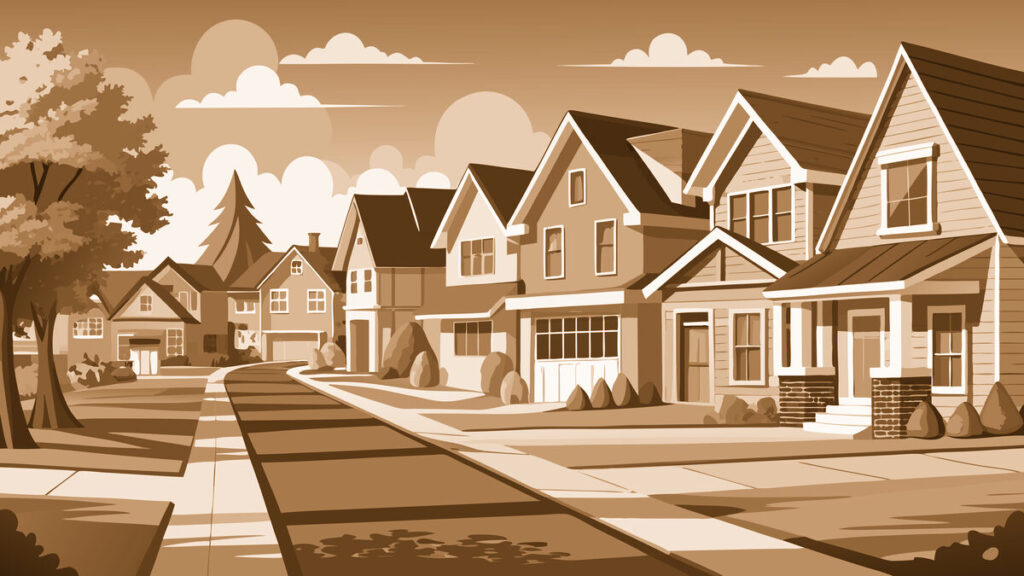
Nestled in the growing town of Leland, North Carolina, Adair Park stands as a testament to the area’s rich heritage and warm community spirit. This charming neighborhood, blending Southern tradition with vibrant new development, is more than just houses and streets—it’s a story told through generations, evolving landscapes, and cherished landmarks.
From Roots to Roads: The Origin of Adair Park
To truly appreciate Adair Park, it’s important to understand its beginnings. The name “Adair” harks back to one of the region’s earliest and most respected family names—a tribute to local landowners who helped shape Leland’s history. Before rows of welcoming homes lined the streets, this area was dotted with pine forests and farmland, part of a broader tapestry woven by families whose names still echo in Brunswick County lore.
Early records suggest that the Adair family owned and tended land in the vicinity as far back as the late 1800s, and their legacy continued as Leland evolved from a rural stopover into the thriving suburb it is today. The neighborhood itself officially took root in the early 2000s, capitalizing on Leland’s growing appeal for families seeking a blend of quiet living and accessibility to Wilmington.
Key Milestones in Adair Park’s Story
Adair Park’s transformation mirrors the growth of Leland itself:
- Early Settlement (late 1800s – early 1900s): The land that became Adair Park was primarily agricultural, owned by several prominent families, including the Adairs and the Robinsons. Dirt paths—some now paved as part of the neighborhood’s roadways—were once wagon tracks connecting farms to the heart of Old Leland.
- Residential Development (2004-2008): Developers officially dedicated the neighborhood as “Adair Park,” in honor of its agricultural roots. Streets like Adair Boulevard and Rolling Meadows Lane were designed to evoke the area’s pastoral past.
- Community Growth (2010s): New amenities, including parks and sidewalks, gave the neighborhood its family-friendly appeal. The addition of Adair Park Green, a centrally located community greenspace, quickly became a favorite spot for gatherings and outdoor events.
- Modern Day: Adair Park stands out for its graceful blend of tradition and progress. The modest neighborhood sign on the corner of Adair Boulevard and Pine Harvest Drive is more than just a marker—it’s a symbol for the community and its pride.
Notable Landmarks and Local Gatherings
Adair Park may not be home to towering historic mansions, but its landmarks are meaningful in their own right. The heart of the neighborhood is Adair Park Green, a lush open space where children play and neighbors gather for seasonal celebrations. This green, lined with crape myrtles and live oaks, was designated early in the development as a communal promised land, fostering connections between longtime Leland residents and new arrivals alike.
Another quiet point of pride is the historic marker at the intersection of Adair Boulevard and Old Mill Road—a modest plaque set beside a large live oak tree. It commemorates the area’s agricultural past, honoring the Adair family’s role in Leland’s transition from farmland to a thriving residential town. Local legend has it that the tree was planted by members of the Adair family in the early 1900s.
A stone’s throw from the neighborhood, the Leland Cultural Arts Center and Founders Park remind residents of Leland’s broader commitment to arts, community, and heritage—key pillars that continue to define Adair Park’s spirit.
Neighborhood Culture and Evolution
What truly sets Adair Park apart isn’t just its historic roots or green spaces—it’s the vibrant sense of belonging. When you turn onto Willow Way or stroll past homes on Rolling Meadows Lane, you’ll notice that porches are often adorned with rocking chairs, flowerpots, and the occasional American flag. For decades, neighborhood potlucks, holiday parades, and summer block parties have reinforced the strong social ties among neighbors.
The evolution of Adair Park is marked by careful preservation of tree-lined streets and open spaces, even as new houses pop up and modern amenities arrive. Many homes reflect a mix of traditional Southern architecture and contemporary comforts—think wide front porches and open floor plans. Residents are keen to maintain the peaceful, family-friendly atmosphere, organizing regular “green days” to clean up the park and foster environmental stewardship.
Institutions and Schools: Building for the Future
A hallmark of Adair Park’s draw is its proximity to Leland’s schools and civic spaces. The neighborhood sits close to Belville Elementary School and Brunswick Forest’s vibrant commercial center, both of which anchor community life for families and businesses alike. Just beyond Old Mill Road, access to major thoroughfares like Village Road makes commuting easy while keeping the neighborhood tucked away from busy traffic.
Adair Park’s role as a bridge between Leland’s past and future is clear. Many residents are second- or third-generation Leland locals, while others have relocated from across North Carolina and beyond, drawn by the promise of history-rich living with all the amenities of a growing town.
Why Adair Park Endures
Ask any longtime resident what makes Adair Park special, and you’ll hear stories that go beyond bricks and mortar. They’ll mention neighbors looking out for one another, kids playing touch football on the green, and the annual fall potluck, which always seems to draw a crowd.
As Leland grows and changes, Adair Park remains a neighborhood where history and hospitality go hand in hand—a place where yesterday’s roots nourish today’s community spirit. Whether you’re tracing your own family’s journey here or simply searching for a warm and welcoming place to call home, Adair Park’s charm endures as a true reflection of Leland’s past, present, and promising future.